Why Americans Are Switching: The Cable Problem Nobody Wants to Talk About
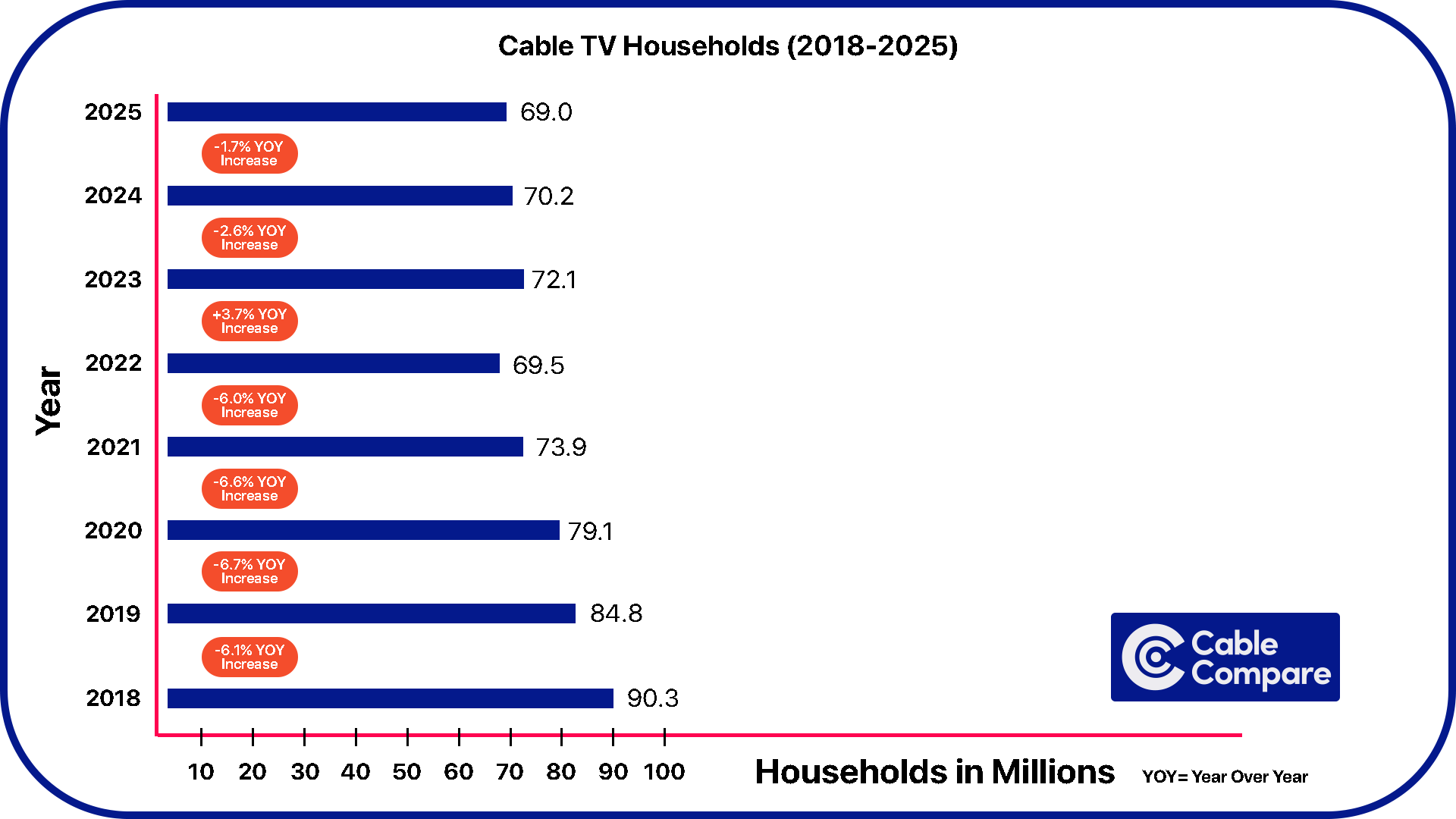
In 2026, something unprecedented is happening in American living rooms. For the first time in television history, more households are abandoning traditional cable and satellite TV than signing up for new subscriptions. The numbers don't lie: over 10 million American households have cut the cord since 2020, and the exodus shows no signs of slowing down.
But here's the problem nobody wants to talk about: cable companies know exactly what they're doing. They've created a perfect storm of rising prices, declining service quality, and artificial channel bundles that force you to pay for content you'll never watch. And while they publicly blame "streaming competition," the real issue is much more insidious.
In this comprehensive investigation, we'll expose the hidden tactics cable companies use to keep you paying, reveal the real cost of your cable subscription, and show you how millions of Americans are getting better TV for a fraction of the price through modern alternatives like IPTV.
Table of Contents
- The Great Cable Exodus: By the Numbers
- The Hidden Costs of Cable You Never See Coming
- Channel Bundling: The Biggest Scam in Television
- Why Cable Service Quality Keeps Declining
- Contract Traps and Early Termination Fees
- The Equipment Rental Racket
- Better Alternatives That Actually Save Money
- What Is IPTV and How Does It Work?
- IPTV vs Cable: The Real Comparison
- How to Switch from Cable to IPTV (Step-by-Step)
- Legal Considerations and Safety Tips
- The Bottom Line: It's Time to Cut the Cord
The Great Cable Exodus: By the Numbers
The data tells a clear story: Americans are fleeing cable television in record numbers. According to the latest industry reports from Leichtman Research Group and Nielsen:
What's even more telling is the demographic breakdown. While early cord-cutters were primarily young, tech-savvy millennials, the movement has now spread across all age groups:
- Gen Z (18-25): 89% have never had cable TV
- Millennials (26-41): 72% have cut the cord or never subscribed
- Gen X (42-57): 48% have switched to streaming alternatives
- Boomers (58+): 23% have cut cable, with rapid adoption of streaming devices
The trend is so pronounced that major cable companies are now in full retreat. Comcast lost 1.2 million video subscribers in 2025 alone. Charter Communications reported its worst quarterly results in a decade. Even satellite giant DirecTV is struggling to retain customers as the market shifts dramatically toward internet-based television solutions.
Channel Bundling: The Biggest Scam in Television
Perhaps the most frustrating aspect of cable TV is the forced channel bundling model. Cable companies don't sell channels individually—you're forced to buy massive packages filled with content you'll never watch.
The Math Doesn't Add Up
Consider this: the average American watches just 17 channels regularly out of the 200+ included in a standard cable package. You're paying for 183 channels you never watch!
Your Actual Viewing Habits:
- ESPN
- Discovery Channel
- HBO
- Local News
- History Channel
- NBC
- Fox News
- TLC
- Comedy Central
- Food Network
- ABC
- CBS
- FX
- Nat Geo
- AMC
- USA Network
- Bravo
What You're Forced to Pay For:
You get those 17 channels plus 183 others including:
- Golf Channel
- Shopping Networks (HSN, QVC)
- Religious Programming
- Foreign Language Channels
- Music Video Channels
- Home Shopping
- Weather Channel
- Dozens of duplicate sports networks
This bundling model exists for one reason: it maximizes cable company profits while giving you zero choice in what you pay for. Even if you only want ESPN and HBO, you still have to pay for the entire sports and premium movie bundles.
The A La Carte Alternative That Never Happened
For decades, consumers have demanded à la carte channel selection—the ability to pick and pay only for the channels you actually watch. Congress has held multiple hearings on the issue, and the FCC has repeatedly called for more consumer choice.
Yet cable companies have successfully blocked every attempt at reform, claiming that à la carte would "destroy smaller networks." The reality? It would destroy their profit margins, which is exactly why they fight it so hard.
Why Cable Service Quality Keeps Declining
As cable companies lose customers, they face a vicious cycle: fewer subscribers means less revenue, which leads to cost-cutting measures that further degrade service quality, driving even more customers away.
The Customer Service Crisis
Cable companies consistently rank among the worst industries for customer satisfaction. According to the American Customer Satisfaction Index (ACSI):
Common complaints include:
- Hours-long wait times for technical support
- Technicians who don't show up for scheduled appointments
- Constant service outages during storms or high-demand events
- Difficulty canceling service or changing plans
- Aggressive sales tactics and misleading promotions
Technical Limitations and Outdated Infrastructure
Much of America's cable infrastructure dates back to the 1980s and 1990s. While cable companies have upgraded some systems for internet service, their television delivery technology remains largely unchanged.
This outdated infrastructure leads to:
- Poor picture quality compared to modern streaming standards
- Limited on-demand content libraries
- No 4K/UHD content (most cable systems max out at 1080i)
- Bulky, outdated set-top boxes with terrible user interfaces
- No mobile viewing or cloud DVR capabilities
Contract Traps and Early Termination Fees
Cable companies know that once you sign up, you're likely to stay—even if you're unhappy—because of the hassle and cost of leaving. They've designed their contracts specifically to trap customers.
Common Contract Traps
Promotional Pricing Traps
Sign up for "$49.99/month" but after 12 months, your rate jumps to $120+/month with no notification.
Auto-Renewal Clauses
Contracts automatically renew for another year unless you call to cancel within a narrow 30-day window.
Early Termination Fees
Pay $200+ to cancel before your contract ends, even if service quality is terrible.
Price Increase Notifications
Buried in fine print or sent via email you'll never see, making it impossible to shop around.
The worst part? These practices are completely legal. Cable companies have spent decades lobbying against consumer protection laws that would require clearer pricing and easier cancellation.
The Equipment Rental Racket
Cable companies make billions annually from equipment rental fees—charging you $10-15 per month for set-top boxes that cost them $35-50 wholesale. Over a 5-year period, you'll pay $600-900 to rent equipment worth $50.
Why You Can't Just Buy Your Own Equipment
Unlike internet modems (which you can purchase independently), cable TV boxes are proprietary and require special authorization from your provider. Even if you could buy compatible equipment, cable companies often refuse to activate third-party boxes.
Cost Comparison: 5 Years of Service
Modern streaming alternatives eliminate this entirely—you use your own devices (Firestick, Smart TV, etc.) with no monthly rental fees ever.
Better Alternatives That Actually Save Money
The good news is that you have more options than ever before. Americans are discovering that they can get better TV experiences for significantly less money by combining different streaming services or using modern IPTV solutions.
Option 1: The Streaming Service Combo
Many cord-cutters build their own custom TV experience by combining multiple streaming services:
While this gives you great on-demand content and some live TV, you're still paying nearly as much as cable—and you're managing 5+ different apps, passwords, and billing cycles.
Option 2: Modern IPTV Services
A growing number of Americans are turning to modern IPTV (Internet Protocol Television) services that combine the best of both worlds: thousands of live channels plus extensive on-demand libraries, all in one easy-to-use platform for a fraction of cable costs.
✅ One Monthly Price
All live channels + on-demand content in one subscription
✅ No Equipment Rental
Use your existing Firestick, Smart TV, or mobile device
✅ Better Picture Quality
4K/UHD, FHD, and HD streaming with modern compression
✅ No Contracts
Cancel anytime with no termination fees
✅ Advanced Features
Cloud DVR, catch-up TV, multi-screen viewing
✅ Significant Savings
Average cost: $15-25/month vs $150+ for cable
What Is IPTV and How Does It Work?
IPTV (Internet Protocol Television) delivers television content over the internet instead of traditional cable or satellite signals. Unlike illegal streaming sites or sketchy services, legitimate IPTV providers operate as technology platforms that aggregate publicly available content streams.
How IPTV Actually Works
Content Aggregation
Legitimate IPTV services aggregate streams from publicly available sources and organize them into user-friendly channel lineups.
Server Infrastructure
Advanced server networks with anti-buffering technology ensure smooth, reliable streaming even during peak hours.
User Applications
You access content through popular apps like TiviMate, IPTV Smarters Pro, or Perfect Player on your existing devices.
Continuous Updates
Professional IPTV services constantly monitor and update their channel lists to maintain reliability and add new content.
What You Get with Premium IPTV
📺 20,000+ Live Channels
Sports, news, entertainment, movies, kids, international content from 150+ countries
🎬 60,000+ Movies & Series
On-demand library updated weekly with latest releases and classic titles
⚡ 4K/UHD Quality
Crystal-clear picture quality with adaptive bitrate technology
🔄 7-Day Catch-Up TV
Never miss a show—watch anything from the past week on demand
📱 Multi-Device Support
Watch on Firestick, Android TV, Smart TV, iOS, PC, or mobile
💬 24/7 Customer Support
Real human support via WhatsApp, email, or live chat
IPTV vs Cable: The Real Comparison
Let's compare premium IPTV services directly against traditional cable to see why millions of Americans are making the switch.
| Feature | Cable TV | Premium IPTV | Winner |
|---|---|---|---|
| Monthly Cost | $155.99 | $14.99-$24.99 | IPTV |
| Channel Selection | 200-300 channels | 20,000+ channels | IPTV |
| On-Demand Content | Limited library | 60,000+ movies & series | IPTV |
| Picture Quality | 1080i max (most channels) | 4K/UHD, FHD, HD | IPTV |
| Equipment Costs | $15-20/month rental fees | $0 (use your own devices) | IPTV |
| Contracts | 1-2 year contracts required | No contracts, cancel anytime | IPTV |
| Customer Service | Hours-long wait times | <5 minute response time | IPTV |
| Mobile Viewing | Limited or extra fees | Free on all devices | IPTV |
| Catch-Up TV | Limited or extra fees | 7-day catch-up included | IPTV |
| Setup Time | Technician visit required | 5 minutes self-setup | IPTV |
The comparison is clear: premium IPTV services offer superior features, better quality, and significant cost savings compared to traditional cable. The only advantage cable retains is brand recognition—but that's rapidly changing as more Americans discover better alternatives.
How to Switch from Cable to IPTV (Step-by-Step)
Making the switch from cable to IPTV is easier than you think. Here's your complete step-by-step guide:
Choose Your IPTV Provider
Research reputable providers with good reviews, reliable uptime, and responsive customer support. Look for services that offer free trials.
Select Your Device
Choose from Firestick, Android TV Box, Smart TV, iOS device, or computer. Most people already own compatible hardware.
Install the App
Download a popular IPTV app like TiviMate (Android) or IPTV Smarters Pro (multi-platform) from your device's app store.
Get Your Credentials
After subscribing, you'll receive login credentials (username, password, server URL) via email or WhatsApp.
Enter Login Details
Open your IPTV app and enter your credentials. The app will automatically load your channel list and VOD library.
Start Watching!
Browse 20,000+ live channels and 60,000+ on-demand titles. Enjoy buffer-free streaming in 4K quality.
What to Do With Your Old Cable Equipment
Once you've confirmed your IPTV service is working perfectly:
- Call your cable company to officially cancel service (get a confirmation number)
- Return all equipment (set-top boxes, remotes, cables) to avoid additional charges
- Request a final bill and confirm no outstanding fees
- Keep your internet service (you'll need it for IPTV!)
Pro Tip: Don't cancel your cable until you've tested your IPTV service thoroughly. Most reputable providers offer free trials, so take advantage of this to ensure everything works perfectly on your devices before making the final switch.
Legal Considerations and Safety Tips
When exploring IPTV options, it's important to understand the legal landscape and choose reputable providers that operate within legal boundaries.
Understanding IPTV Legality
IPTV technology itself is completely legal—it's simply a method of delivering television content over the internet. However, the legality depends on how the service obtains and distributes content.
Legitimate IPTV providers operate as technology platforms that aggregate publicly available streams and provide infrastructure for users to access content. They don't host or distribute copyrighted material themselves—they provide the platform and organization.
Illegal IPTV services directly host or redistribute copyrighted content without proper licensing, which violates copyright laws.
How to Identify Reputable IPTV Providers
✅ Professional Website
Well-designed site with clear terms, privacy policy, and contact information
✅ Transparent Pricing
Clear pricing with no hidden fees or automatic billing surprises
✅ Customer Reviews
Verified reviews on independent platforms (not just testimonials on their site)
✅ Responsive Support
Real human support available before you even subscribe
✅ Free Trial
Offer risk-free trials so you can test before committing
✅ Money-Back Guarantee
Clear refund policy if you're not satisfied
Red Flags to Avoid
- Prices that seem too good to be true ($5/month for "everything")
- No website or professional presence
- Only accepts cryptocurrency payments
- No customer support or contact information
- Makes unrealistic promises ("every PPV event free forever")
- No terms of service or privacy policy
The Bottom Line: It's Time to Cut the Cord
The evidence is overwhelming: traditional cable television is an outdated, overpriced service that continues to extract maximum profit from captive customers while delivering declining value. The "cable problem" isn't just about rising prices—it's about a broken business model that prioritizes shareholder returns over customer satisfaction.
Meanwhile, modern alternatives like premium IPTV services are offering Americans exactly what they want: more channels, better quality, advanced features, and significant cost savings—all without contracts, equipment rentals, or hidden fees.
The question isn't whether you should cut the cord—it's why you haven't done it yet. With free trials available and setup taking just minutes, there's never been a better time to explore alternatives that put you back in control of your television experience.
Your wallet—and your viewing experience—will thank you.
Ready to Cut the Cord and Save $1,500+ Annually?
Start your risk-free 24-hour trial today and experience premium IPTV with 20,000+ channels and 4K quality.
About the Author

The Kevin Stream Editorial Team has been covering the cord-cutting revolution since 2020, testing hundreds of streaming services and IPTV providers to help consumers make informed decisions. Our team combines technical expertise with real-world testing to provide unbiased, comprehensive reviews.
Frequently Asked Questions
Is cutting the cord really worth it?
For most Americans, absolutely yes. The average household saves $1,500+ annually by switching from cable to modern alternatives like IPTV, while getting more channels and better features.
Will I lose access to my favorite channels?
Most premium IPTV services include all major networks (ABC, CBS, NBC, FOX), sports channels (ESPN, NFL Network), news networks (CNN, Fox News), and entertainment channels (HBO, Showtime). Many also include international and specialty channels not available on cable.
Do I need special equipment for IPTV?
No special equipment needed! You can use your existing Firestick, Android TV box, Smart TV, iPhone, iPad, or computer. There are no monthly rental fees for equipment.
Is IPTV legal?
IPTV technology itself is completely legal. Legitimate IPTV providers operate as technology platforms that aggregate publicly available content streams. Always choose reputable providers with transparent terms and professional websites.
What internet speed do I need for IPTV?
For HD quality: 10+ Mbps | For 4K quality: 25+ Mbps. Most American households already have sufficient internet speeds for excellent IPTV performance.